
Garlic Butter Shrimp: A Simple Recipe and Everything You Need to Know About the Black Vein
Shrimp are one of the easiest seafood ingredients to turn into a delicious meal. They cook quickly, absorb flavors beautifully, and work with everything from pasta and rice to salads and crusty bread.
One question often comes up when preparing shrimp: What is the dark line running along the back, and should you remove it?
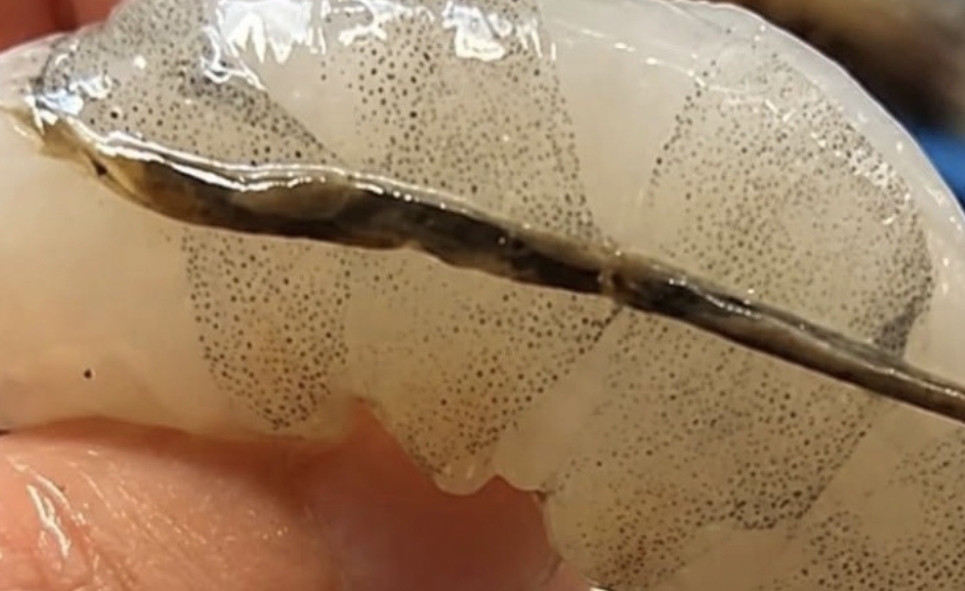
The dark line is commonly called the “black vein,” but it is actually the shrimp’s digestive tract. It may contain food particles or sediment, which is why many cooks prefer to remove it before cooking. It is not a poisonous vein, and eating a properly handled and thoroughly cooked shrimp with the tract intact generally does not cause a special problem.
A great way to enjoy cleaned shrimp is this quick Garlic Butter Shrimp recipe. It requires only a handful of ingredients and can be on the table in about 15 minutes.
Garlic Butter Shrimp
Ingredients
- 1 pound large shrimp, peeled and deveined
- 3 tablespoons unsalted butter
- 1 tablespoon olive oil
- 4 garlic cloves, finely minced
- 1 tablespoon fresh lemon juice
- 1 teaspoon paprika
- ½ teaspoon salt
- ¼ teaspoon black pepper
- 2 tablespoons chopped fresh parsley
- Lemon wedges, for serving
- Optional: a pinch of red pepper flakes
How to Prepare the Shrimp
If your shrimp have not already been deveined, rinse them briefly under cold running water and pat them dry with paper towels.
To remove the dark digestive tract, make a shallow cut along the curved back of each shrimp. Use the tip of a small knife or a toothpick to lift the dark line and pull it away.
There is no need to cut deeply. You only want to expose and remove the tract.
Pat the shrimp dry again. Removing excess moisture helps them cook more effectively and prevents the butter sauce from becoming watery.
How to Make Garlic Butter Shrimp
Step 1: Season the Shrimp
Place the cleaned shrimp in a bowl. Sprinkle them with paprika, salt, and black pepper. Toss gently until every shrimp is lightly coated.
If you enjoy spicy food, add a small pinch of red pepper flakes.
Step 2: Heat the Pan
Place a large skillet over medium-high heat.
Add the olive oil and allow it to warm for a few seconds. Add the butter and let it melt.
The combination of olive oil and butter gives the shrimp a rich flavor while helping prevent the butter from browning too quickly.
Step 3: Add the Garlic
Add the minced garlic to the skillet.
Cook for approximately 30 seconds, stirring constantly. The garlic should become fragrant without turning dark brown.
Burned garlic can make the entire dish bitter, so keep a close eye on it.
Step 4: Cook the Shrimp
Add the seasoned shrimp in a single layer.
Cook for approximately 1–2 minutes on the first side, then turn each shrimp over.
Continue cooking until the shrimp are opaque and cooked through. The exact cooking time depends on their size.
Avoid overcooking them. Shrimp can become rubbery when left on the heat too long.
Step 5: Add Lemon Juice
Once the shrimp are cooked, squeeze fresh lemon juice over them.
Toss everything together so the garlic butter and lemon coat the shrimp evenly.
Remove the skillet from the heat.
Step 6: Garnish and Serve
Sprinkle freshly chopped parsley over the shrimp.
Serve immediately with lemon wedges.
The finished shrimp should be juicy, tender, buttery, garlicky, and slightly bright from the lemon.
What Is the Black Vein in Shrimp?
The dark line visible along the back of a shrimp is not technically a vein. It is the digestive tract.
Its appearance can vary. Sometimes it is almost invisible, while in other shrimp it can be very dark and prominent.
The dark color does not automatically mean the shrimp is spoiled. It can simply reflect material present in the digestive tract.
Some people remove it because it can contain sediment and may occasionally have a gritty texture. Others leave it in, especially when working with very small shrimp.
Do You Have to Devein Shrimp?
No. Deveining is largely a matter of preference and presentation.
If you are preparing large shrimp for a dinner party, grilling, or serving them whole, removing the tract can make them look cleaner and more appetizing.
For small shrimp, removing the tract from every individual shrimp can be tedious. If the tract is tiny and difficult to see, many cooks simply leave it intact.
The important point is that removing the digestive tract does not replace proper food-safety practices.
How to Tell When Shrimp Are Cooked
Shrimp cook very quickly, so watch them carefully.
Raw shrimp are generally translucent and grayish. As they cook, the flesh becomes opaque and the shrimp develop their characteristic pinkish color.
The flesh should be firm but still tender.
An instant-read food thermometer can provide additional confidence when cooking seafood. The FDA recommends cooking most seafood thoroughly; shrimp should reach 145°F (63°C) according to its seafood safety guidance.
Avoid judging doneness solely by color when possible because shrimp can vary in appearance.
What to Serve With Garlic Butter Shrimp
This recipe is extremely versatile.
Rice
Serve the shrimp over steamed white rice, brown rice, or fragrant basmati rice. The rice absorbs the buttery garlic sauce beautifully.
Pasta
Toss the shrimp with cooked spaghetti, linguine, or angel hair pasta. Add a little of the pasta cooking water to loosen the sauce.
Crusty Bread
A warm piece of crusty bread is perfect for soaking up the garlic butter left in the pan.
Vegetables
For a lighter meal, serve the shrimp with roasted broccoli, asparagus, zucchini, green beans, or a fresh salad.
Potatoes
Garlic butter shrimp are also delicious alongside roasted potatoes or creamy mashed potatoes.
Easy Variations
One of the best things about this recipe is how easily you can change the flavor.
Spicy Garlic Shrimp
Add extra red pepper flakes or a small amount of cayenne pepper.
Lemon Herb Shrimp
Increase the lemon juice and add fresh parsley, cilantro, or dill.
Creamy Garlic Shrimp
After cooking the shrimp, remove them from the skillet. Add a splash of heavy cream to the garlic butter and simmer briefly. Return the shrimp to the pan and toss gently.
Mediterranean-Style Shrimp
Add chopped tomatoes, olives, oregano, and a little crumbled feta cheese.
Honey Garlic Shrimp
For a sweet-and-savory version, combine a small amount of honey with garlic, lemon juice, and soy sauce.
Tips for the Best Shrimp
Buy the right size. Large shrimp are easier to clean and less likely to overcook than very small shrimp.
Dry them before cooking. Excess water can prevent good browning.
Do not overcrowd the pan. If necessary, cook the shrimp in batches.
Use fresh garlic. Freshly minced garlic gives the sauce a much stronger flavor than pre-minced garlic.
Do not overcook. Shrimp need only a few minutes.
Finish with lemon. A little acidity balances the richness of the butter.
Serve immediately. Garlic butter shrimp are best while hot and freshly cooked.
Safe Handling Matters
Shrimp are perishable seafood, so keep them properly refrigerated until you are ready to prepare them.
Use separate utensils and cutting boards for raw seafood and ready-to-eat foods when possible. Wash your hands and kitchen surfaces after handling raw shrimp.
If raw shrimp have an unusual odor, have been stored improperly, or show clear signs of spoilage, do not use them.
Proper storage, handling, and cooking are much more important to food safety than whether the dark digestive tract has been removed.
Final Thoughts
The “black vein” found in shrimp is actually the shrimp’s digestive tract. It is not a poisonous vein, and it does not automatically indicate that the shrimp is bad.
Many cooks remove it because it can contain sediment and because deveined shrimp have a cleaner appearance. With larger shrimp, removing the tract is usually quick and worthwhile. With very small shrimp, it may not be necessary.
Once your shrimp are cleaned, this Garlic Butter Shrimp recipe is an easy way to turn them into a flavorful meal. Butter, garlic, lemon, paprika, and fresh parsley create a simple sauce that complements the natural sweetness of the seafood.
Serve the shrimp over rice, toss them with pasta, or pair them with vegetables and crusty bread. With proper handling and careful cooking, you can enjoy tender, flavorful shrimp without overcomplicating the preparation.