
Small Red Spots on the Skin: What They May Mean, Common Causes, and When to Seek Medical Advice
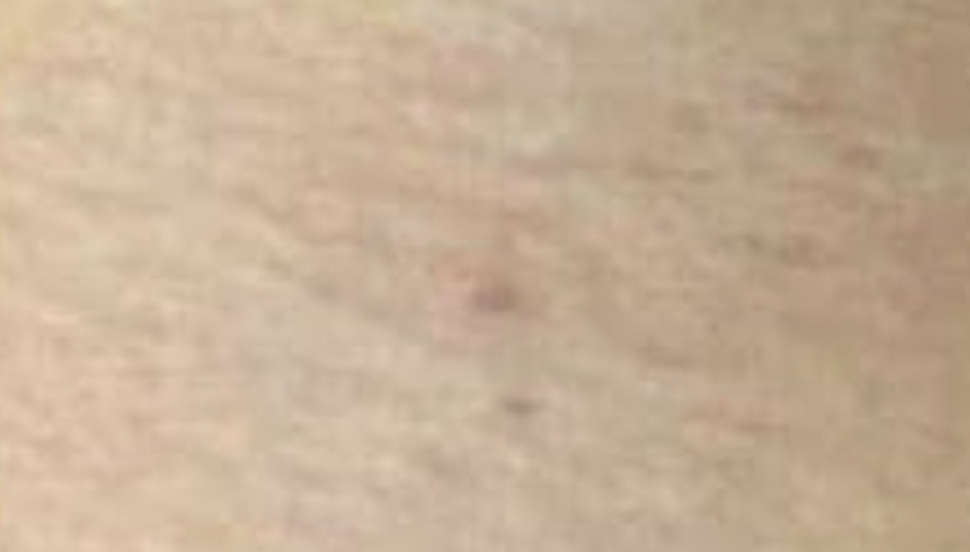
Small red spots on the skin can attract attention, especially when they appear suddenly or seem different from the surrounding skin. The spots shown in the accompanying image are examples of small, reddish marks that can occur on the skin. Although photographs can be useful for general education, a picture alone cannot determine exactly what a skin spot is or why it appeared.
There are many possible explanations for small red marks. Some are harmless and common, while others may deserve evaluation by a doctor or dermatologist. Understanding the general possibilities can help you decide what to observe and when professional advice may be appropriate.
What Are Small Red Spots on the Skin?
A red spot is simply an area of skin that looks redder than the surrounding tissue. The appearance can vary considerably. Some spots are perfectly flat, while others are slightly raised. They may be bright red, pink, purple-red, or darker depending on a person’s skin tone and the cause.
Some red spots are associated with tiny blood vessels close to the surface of the skin. Others develop because of irritation, inflammation, an allergic reaction, an insect bite, infection, or minor injury.
The size can also vary. Some marks are barely visible, while others are several millimeters across. A person may have one isolated spot or several scattered across an area of skin.
Because so many different conditions can produce similar-looking marks, it is important not to assume that every red spot has the same cause.
Common Benign Causes
One common possibility is a cherry angioma, a small growth involving blood vessels in the skin. Cherry angiomas are often bright red or reddish-purple and may be flat or slightly raised. They can occur on many parts of the body and become more common with age.
Another possibility is a minor broken blood vessel. Small blood vessels near the surface can sometimes become damaged because of friction, scratching, pressure, or minor trauma. The resulting mark may appear red initially and can change color as it heals.
Skin irritation is another frequent explanation. New soaps, detergents, cosmetics, fragrances, shaving products, or clothing materials can irritate the skin and cause localized redness. In these situations, the surrounding skin may also appear dry, itchy, or inflamed.
Insect bites can also produce small red marks. They frequently cause itching and may become temporarily swollen. The pattern and location of the spots can sometimes provide clues, but determining the exact cause may require examining the person’s environment and other symptoms.
Petechiae and Other Tiny Blood Spots
Some small red or purple spots are caused by bleeding from tiny blood vessels beneath the skin. These are sometimes called petechiae when they are very small.
Petechiae can occur after pressure or physical strain, but they can also be associated with certain infections, medications, platelet abnormalities, or other medical conditions.
One useful observation is whether the spots fade or become lighter when pressure is applied. However, this simple observation cannot establish a diagnosis. A healthcare professional may need to examine the skin and consider the person’s overall health, medications, and symptoms.
If numerous tiny red or purple spots suddenly appear without an obvious explanation, particularly if they are spreading or accompanied by other symptoms, medical evaluation is appropriate.
Why the Color Can Change
Skin spots do not always remain the same color. A small vascular mark may remain red for a long time, while a spot caused by minor bleeding can change from red to purple, brown, greenish, or yellow as the blood pigments break down.
Inflammation can also make surrounding skin pink or red. Scratching can intensify the color and sometimes cause small areas of bleeding.
Lighting also affects how a skin mark appears in photographs. Camera exposure, shadows, skin tone, and image quality can make a spot appear more pronounced than it looks in person.
For that reason, photographs are helpful for documenting changes over time but should not be treated as a substitute for a clinical examination.
When a Red Spot Should Be Checked
Most isolated skin marks are not emergencies. However, changes deserve attention.
Consider arranging a medical assessment if a spot:
- grows noticeably over time;
- changes significantly in color or shape;
- repeatedly bleeds without obvious injury;
- develops a persistent crust or open area;
- becomes painful or increasingly tender;
- remains unexplained and does not improve;
- appears together with many new spots;
- is associated with significant swelling or inflammation;
- looks distinctly different from other marks on your skin.
A dermatologist can examine a suspicious spot more closely, sometimes using a dermatoscope, which provides magnification and additional visual information.
Red Flags That Require Prompt Attention
Certain combinations of symptoms deserve more urgent medical attention.
For example, if many small red or purple spots appear suddenly and are accompanied by fever, severe weakness, confusion, difficulty breathing, unusual bleeding, or feeling seriously unwell, prompt medical care is important.
Similarly, unexplained widespread bruising or bleeding from the nose, gums, urine, or digestive tract alongside new skin spots should not be ignored.
These symptoms do not automatically mean that a serious disease is present. They simply indicate that an appropriate medical assessment should not be delayed.
How Doctors Evaluate Skin Spots
A doctor generally begins by asking when the spots appeared and whether they have changed.
Questions may include:
- Did the spots appear suddenly or gradually?
- Are they itchy, painful, or tender?
- Have they increased in number?
- Have they changed size or color?
- Have they bled?
- Was there recent scratching, friction, or injury?
- Have you started any new medications?
- Have you recently experienced an infection or fever?
- Are there similar marks elsewhere on the body?
The clinician will also examine the skin and may look at other areas for comparison.
Depending on the appearance and the person’s symptoms, additional testing may sometimes be recommended. This could include blood tests or, in selected cases, examination of a skin sample.
Should You Scratch or Remove a Red Spot?
It is generally better not to scratch, squeeze, cut, or attempt to remove an unexplained skin spot at home.
Trying to remove a vascular spot can cause bleeding and increase the risk of infection or scarring. Scratching can also make an irritated area appear larger and more inflamed, making it harder to judge whether it is changing naturally.
If a spot is repeatedly catching on clothing or jewelry, a dermatologist can discuss safe treatment options when appropriate.
Keeping Track of Changes
If you notice an unfamiliar spot and are unsure whether it is changing, simple documentation can be useful.
Take a clear photograph in good natural lighting and, when possible, include something that provides a sense of scale. Record approximately when you first noticed the spot.
A later photograph taken under similar lighting can help you compare its appearance.
However, avoid becoming overly focused on tiny day-to-day differences. Skin can look different depending on temperature, lighting, hydration, and irritation. A healthcare professional should interpret meaningful changes.
Protecting Your Skin
Good everyday skin care can help prevent irritation and protect the skin barrier.
Use gentle cleansers and avoid products that repeatedly cause burning, itching, or redness. Moisturizing can help maintain the skin barrier, especially if your skin tends to become dry.
Sun protection is also important. Regular use of broad-spectrum sunscreen, protective clothing, shade, and other sun-safe habits can reduce cumulative ultraviolet exposure and help protect against several forms of skin damage.
It is also useful to become familiar with your normal skin. Knowing what your usual freckles, moles, birthmarks, and vascular spots look like can make it easier to notice a genuinely new or changing mark.
The Importance of Looking at the Whole Picture
A small red spot should not be interpreted in isolation. Age, medications, recent illness, allergies, injuries, sun exposure, family history, and other symptoms can all affect what a skin finding means.
Two spots that look nearly identical in a photograph may have completely different causes.
This is especially important when viewing pictures online. Social-media posts and online articles can help people recognize general categories of skin findings, but they cannot provide a reliable diagnosis for an individual person.
The safest approach is to use an image as a reason to observe the skin—not as proof of a particular condition.
Final Thoughts
Small red spots on the skin are common and can have many explanations. Some are harmless vascular marks, while others may result from irritation, bites, minor trauma, inflammation, or tiny areas of bleeding beneath the skin.
The spots in the accompanying photograph should therefore be considered examples of an appearance rather than a confirmed diagnosis. Their exact cause cannot be determined reliably from the image alone.
Pay attention to changes in size, shape, color, number, bleeding, and associated symptoms. Avoid scratching or attempting to remove unexplained spots yourself. If a mark persists, changes, repeatedly bleeds, or appears alongside concerning symptoms, a healthcare professional or dermatologist can provide an appropriate examination.
Most importantly, don’t panic when you notice a new red spot. At the same time, don’t ignore significant changes. Observing your skin and knowing when to seek professional evaluation is the best balance between unnecessary worry and appropriate caution.