
A Painful Blistering Rash on One Side of the Body: Could It Be Shingles?
A sudden rash of red, fluid-filled blisters accompanied by intense burning pain can be alarming. When the rash appears in a band or stripe along only one side of the body, particularly around the chest, abdomen, waist, or back, one possible explanation is shingles, also known as herpes zoster.
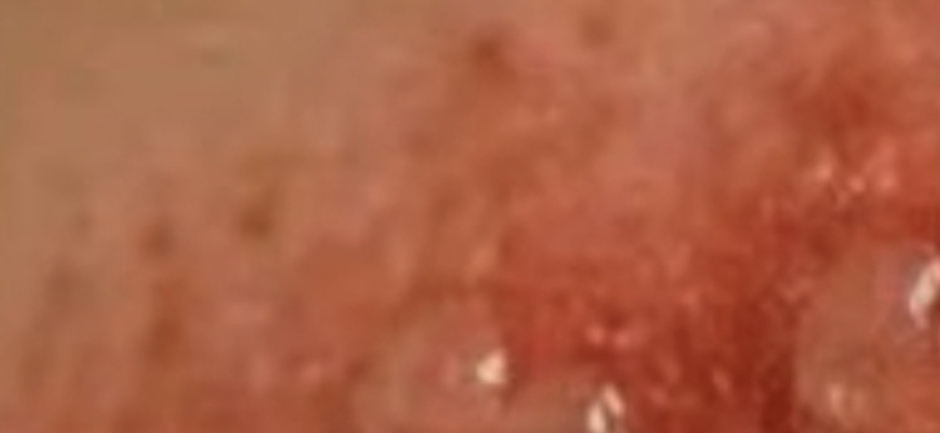
The image shows a blistering rash with a band-like distribution around one side of the torso. That pattern can be consistent with shingles, but a photograph alone cannot provide a definite diagnosis. Several other skin conditions can cause painful blisters or a red rash, so a healthcare professional should examine the affected person—especially when the pain is severe or the rash is spreading.
Because shingles treatment may work best when started early, recognizing the warning signs is important. This article explains what shingles is, why it causes such severe burning pain, what symptoms to watch for, how it is diagnosed and treated, possible complications, and when urgent medical attention is needed.
What Is Shingles?
Shingles is caused by the varicella-zoster virus, the same virus responsible for chickenpox. After a person recovers from chickenpox, the virus does not completely leave the body. Instead, it can remain inactive inside nerve tissue for many years.
Later in life, the virus can reactivate. When this happens, it travels along a nerve toward the skin and produces the painful rash known as shingles.
One of the most characteristic features of shingles is that it usually affects a specific area supplied by a particular sensory nerve. This is why the rash often appears as a stripe or band rather than being scattered randomly across the body.
For example, a person may experience shingles:
- Along one side of the chest
- Around the ribs
- Across one side of the abdomen
- Around the waist
- On one side of the back
- On one side of the face
- Around an eye
The rash typically remains on one side and usually does not cross the body’s midline. Shingles commonly affects the trunk, making a painful band around the torso a particularly recognizable pattern.
Why Does the Pain Feel Like Burning?
The severe pain associated with shingles is one reason the condition can be so distressing. Shingles does not simply affect the surface of the skin. The virus becomes active in connection with the nervous system, which helps explain sensations such as:
- Burning
- Stinging
- Tingling
- Sharp or stabbing pain
- Itching
- Numbness
- Extreme sensitivity to touch
For some people, even light contact from clothing or bedsheets can be uncomfortable.
Pain, tingling, itching, or burning may begin before the visible rash appears. A person might initially believe they have pulled a muscle or injured themselves because the pain can be localized to one area. In some cases, this early pain can be intense.
After several days, the skin may become red and develop groups of small, fluid-filled blisters.
How the Rash Usually Develops
Shingles often progresses through several stages.
1. Early warning symptoms
Before a rash develops, a person may notice discomfort in a limited area of skin. Possible symptoms include:
- Burning
- Tingling
- Pain
- Itching
- Increased skin sensitivity
Some people may also experience more general symptoms, such as headache, fever, chills, or feeling unwell.
2. A red rash appears
After the early discomfort, red areas or patches may develop along the affected nerve pathway. The location can be very specific, which is one reason the distribution of the rash provides useful information to healthcare professionals.
3. Clusters of blisters form
The rash can then develop into clusters of small, fluid-filled blisters. New blisters may continue appearing for several days. This clustered appearance, combined with pain and a one-sided distribution, is a common clinical pattern of shingles.
4. Blisters dry and crust over
Over time, the blisters begin to dry out and form crusts. According to the CDC, shingles blisters typically scab over in about 7 to 10 days, while the overall rash commonly clears within approximately 2 to 4 weeks. Recovery can vary from person to person.
Even after the skin improves, however, some people continue experiencing nerve pain.
Why the Rash Appears on Only One Side
This unusual pattern is closely connected to the way nerves are organized.
Sensory nerves supply specific areas of the skin. These areas are sometimes referred to as dermatomes. When the varicella-zoster virus reactivates, it commonly affects the area connected with the involved nerve.
As a result, shingles frequently creates a band-like eruption on one side of the torso. It usually does not extend across the middle of the body to create a symmetrical rash on both sides.
That said, not every rash that stays on one side is shingles, and shingles can sometimes appear atypically. People with weakened immune systems, for example, may have a more widespread or severe presentation.
Can You Diagnose Shingles from a Picture?
No. A picture can suggest a possibility, but it cannot reliably confirm a diagnosis.
Healthcare professionals often diagnose shingles by considering:
- The location of the rash
- Whether it is on one side of the body
- The presence of clusters of blisters
- The history of pain, tingling, or burning
- The timing of symptoms
When the diagnosis is unclear, testing may sometimes be used. The CDC notes that PCR testing can help confirm the presence of varicella-zoster virus DNA.
Other conditions may sometimes resemble shingles. Depending on the appearance and symptoms, clinicians may consider possibilities including herpes simplex infections, contact dermatitis, bacterial skin infections, folliculitis, scabies, insect bites, drug-related eruptions, and other inflammatory skin conditions.
For that reason, someone with a painful blistering rash should not assume that a diagnosis is certain based only on an online image.
Why Early Medical Care Matters
If shingles is suspected, it is a good idea to seek medical advice promptly.
Prescription antiviral medicines are available, including:
- Acyclovir
- Valacyclovir
- Famciclovir
Early antiviral treatment can help shorten the course of the illness, accelerate the resolution of lesions, reduce the development of new lesions, and decrease the severity of acute pain. CDC guidance notes that treatment is most effective when started early, with particular importance placed on treatment within about 72 hours of symptom onset in relevant situations.
The exact treatment decision depends on the individual. Factors such as age, severity of pain, location of the rash, immune status, pregnancy, other medical conditions, and medications can affect what treatment is appropriate.
For this reason, people should not start prescription antiviral medication without appropriate medical guidance.
Managing Pain and Discomfort
Shingles can cause anything from mild discomfort to severe pain. A healthcare professional may recommend treatment based on the severity and type of pain.
Pain management can include medications, and the specific choice should be individualized. In some cases, treatment for severe or persistent nerve-related pain may involve medicines designed for neuropathic pain, topical numbing treatments, or other approaches prescribed by a clinician.
There are also simple measures that may help make the rash more comfortable.
The NHS recommends measures such as:
- Keeping the rash clean and dry
- Wearing loose-fitting clothing
- Using a cool, wet compress
- Avoiding rough fabrics that irritate the skin
A cool bath or cool, wet compress may also provide some relief from discomfort.
It is important not to deliberately break the blisters. Scratching or damaging the skin can increase irritation and may contribute to secondary bacterial infection.
The Most Common Complication: Long-Term Nerve Pain
One of the major concerns with shingles is a complication called postherpetic neuralgia, often abbreviated as PHN.
This is nerve pain that continues in the area where the shingles rash occurred after the rash itself has healed. The pain may persist for months and, in some cases, much longer.
The CDC identifies postherpetic neuralgia as the most common complication of shingles. Approximately 10% to 18% of people with shingles experience PHN, and the risk increases with age.
Symptoms may include persistent:
- Burning
- Sharp pain
- Deep aching
- Sensitivity to touch
- Discomfort from clothing touching the skin
This is one reason severe shingles pain should not simply be ignored. Early assessment and appropriate treatment may be important in reducing the burden of the illness and addressing pain effectively.
Who May Be at Greater Risk of Complications?
Shingles can occur in different age groups, but the risk of complications increases with age. Older adults are more likely to develop prolonged or severe postherpetic neuralgia.
People with weakened immune systems may also be at greater risk of severe or atypical shingles. This can include individuals whose immune systems are affected by certain illnesses or treatments.
A weakened immune system may increase the likelihood of:
- A more severe rash
- A longer-lasting illness
- A more widespread rash
- Serious complications
The CDC notes that widespread shingles resembling a generalized chickenpox-like eruption is uncommon but can occur, particularly among people with weakened immune systems.
Anyone who has a significantly weakened immune system and develops a painful blistering rash should seek medical advice promptly.
When Shingles Affects the Eye
Shingles near the eye requires particular attention.
If the virus affects nerves associated with the eye, serious complications can occur. Shingles involving the eye may threaten vision, and prompt medical assessment is important.
Seek urgent medical advice if a suspected shingles rash:
- Is on or near the eye
- Appears on the nose together with concern for eye involvement
- Is accompanied by changes in vision
Do not wait for the rash to become more severe if eye symptoms are present.
Other Possible Complications
Although many people recover without major complications, shingles can sometimes cause additional problems.
Possible complications include:
- Postherpetic neuralgia
- Bacterial infection of damaged skin
- Eye problems and possible vision loss when the eye is involved
- Hearing problems in certain cases
- Neurological complications, although these are uncommon
- Other serious complications, particularly in people with weakened immune systems
The risk and type of complication can depend on where the rash appears and the person’s overall health.
When Should You Seek Urgent Medical Attention?
A painful blistering rash deserves medical assessment, particularly if it looks like shingles.
Urgent medical advice is especially important if:
- The rash is on or near an eye
- You notice changes in vision
- The pain is severe
- The rash is widespread
- You have a severely weakened immune system
- You are pregnant and develop symptoms requiring medical assessment
- The symptoms are rapidly worsening
- There are signs of a serious skin infection
The NHS advises seeking urgent help in several higher-risk situations, including shingles symptoms involving the eye or nose, changes in vision, pregnancy, severe immune suppression, and certain age groups.
Because treatment decisions can be time-sensitive, it is better to seek advice promptly rather than waiting to see whether the rash disappears on its own.
Can Shingles Occur Without a Rash?
Yes, although the typical presentation includes a rash, some people may experience nerve pain without developing the usual visible eruption.
This can make diagnosis more difficult because the pain may resemble other problems. CDC clinical guidance notes that shingles without a rash can occur and may be harder to diagnose.
For example, unexplained burning or intense nerve-like pain confined to one side of the body may require medical evaluation, especially if other symptoms or risk factors are present.
How Long Does Shingles Last?
For many people, the visible course follows a general pattern:
- Pain, tingling, or burning may occur first.
- A rash appears after several days.
- Clusters of blisters develop.
- The blisters begin drying and crusting.
- The skin gradually heals.
The rash commonly heals within about 2 to 4 weeks, although individual recovery can vary. The pain may improve as the rash heals, but some people develop persistent nerve pain that lasts much longer.
Is Shingles the Same as Chickenpox?
No, but the two conditions are caused by the same virus.
Chickenpox is the initial illness caused by varicella-zoster virus. After chickenpox, the virus can remain inactive in the body. Shingles occurs when that virus later reactivates.
This explains why shingles is linked to previous infection with the varicella-zoster virus.
Can Shingles Be Prevented?
Vaccination is an important tool for reducing the risk of shingles and its complications. CDC information identifies vaccination as the best way to prevent shingles and provides recommendations for eligible groups.
Vaccine recommendations can vary according to:
- Age
- Immune status
- Previous vaccination history
- Other health circumstances
- Local public-health guidance
A healthcare professional or local health authority can provide advice about whether vaccination is appropriate for a particular person.
Important Care Advice for a Blistering Rash
Until the cause of a rash has been properly assessed, sensible skin care can help reduce irritation.
Try to:
- Keep the affected area clean
- Keep the rash reasonably dry
- Wear loose, soft clothing
- Use cool compresses if they provide relief
- Avoid scratching
- Avoid breaking the blisters
- Follow advice from a qualified healthcare professional
Avoid applying random creams, harsh chemicals, or unproven home remedies to open or blistered skin. Some products can cause additional irritation or trigger allergic reactions.
If pain is severe, the rash is extensive, or the person has other concerning symptoms, professional medical care is more appropriate than relying only on home treatment.
Final Thoughts
A painful, burning rash made up of clustered blisters and wrapping around one side of the torso is a pattern that can be consistent with shingles. Shingles is caused by reactivation of the varicella-zoster virus and commonly follows the path of a nerve, which helps explain its distinctive one-sided, band-like appearance.
However, the image alone cannot confirm the diagnosis. Other skin conditions can produce redness, blisters, and pain, and an in-person medical assessment may be necessary.
If someone has this type of rash and describes the burning pain as unbearable, they should seek medical advice as soon as possible, especially if the rash is recent, severe, widespread, near the eye, or accompanied by vision changes or significant immune suppression. Early assessment can help determine the cause and whether antiviral treatment or other care is needed.
This article is for general educational purposes and is not a diagnosis. A painful blistering rash—particularly one that is new or severe—should be assessed by a qualified healthcare professional.