
About This Recipe
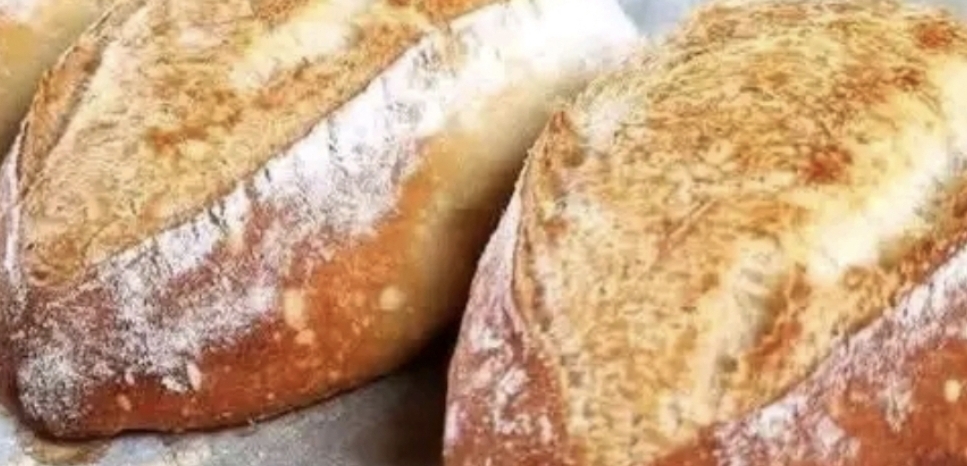
This is a recipe for a basic, classic loaf of homemade white bread. It yields one loaf of soft, sliceable bread with a golden crust, made using common ingredients and fundamental baking techniques such as proofing, kneading, and baking.
Why You’ll Love This Recipe
Making bread at home allows you to control the ingredients, avoiding preservatives and additives found in some store-bought loaves. The process is a foundational culinary skill, and the result is a versatile, flavorful bread that can be used for sandwiches, toast, or eaten on its own.
Ingredients
- 500 grams (approximately 4 cups) bread flour or all-purpose flour
- 7 grams (1 packet or 2 1/4 teaspoons) active dry yeast
- 300 milliliters (1 1/4 cups) warm water (about 110°F/43°C)
- 2 teaspoons granulated sugar
- 2 teaspoons fine salt
- 2 tablespoons neutral oil (such as vegetable or canola oil) or unsalted butter, softened
Step by Step Instructions
- Activate the Yeast: In a small bowl, combine the warm water, sugar, and yeast. Stir gently and let sit for 5-10 minutes until the mixture becomes frothy.
- Mix the Dough: In a large mixing bowl, combine the flour and salt. Make a well in the center and pour in the activated yeast mixture and the oil or softened butter.
- Knead: Stir with a wooden spoon until a shaggy dough forms. Turn the dough out onto a lightly floured surface and knead by hand for 8-10 minutes, until the dough is smooth, elastic, and springs back when gently poked. Alternatively, knead with a stand mixer fitted with a dough hook for 5-7 minutes.
- First Rise (Proofing): Place the kneaded dough in a lightly oiled bowl, turning to coat. Cover the bowl with a damp kitchen towel or plastic wrap. Let it rise in a warm, draft-free place for 1 to 1.5 hours, or until doubled in size.
- Shape the Loaf: Gently punch down the risen dough to release air. Turn it out onto a lightly floured surface. Flatten it into a rectangle, then tightly roll it up from a short end, pinching the seam to seal. Place the loaf, seam side down, into a greased 9×5 inch loaf pan.
- Second Rise: Cover the loaf pan with the towel again and let the dough rise for 45-60 minutes, until it domes about 1 inch above the rim of the pan.
- Preheat and Bake: While the dough rises, preheat your oven to 375°F (190°C). Bake the loaf for 30-35 minutes, or until the crust is deep golden brown and the loaf sounds hollow when tapped on the bottom.
- Cool: Immediately remove the bread from the pan and transfer it to a wire rack. Allow it to cool completely before slicing, about 2 hours.
FAQ
Can I use instant yeast instead? Yes. Instant yeast can be mixed directly with the dry ingredients without needing activation in warm water first.
Why did my bread not rise? The yeast may have been expired, or the water used to activate it was too hot (which can kill yeast) or too cold (which can prevent activation).
Can I make this dough in a bread machine?Yes, add the ingredients to your bread machine pan according to the manufacturer’s instructions, typically liquids first, then dry ingredients, with yeast last.
You Must Know
Accurate measurement of flour is critical. For best results, weigh your flour with a kitchen scale. If using cups, spoon the flour into the measuring cup and level it off; scooping directly packs the flour, leading to too much and a dry dough. Do not skip the cooling step, as slicing warm bread results in a gummy texture.
Storage Tips
Once completely cool, store the bread in a paper bag or bread box at room temperature for up to 2 days for best texture. For longer storage, wrap tightly in plastic wrap or aluminum foil and freeze for up to 3 months. Thaw at room temperature. Refrigeration is not recommended, as it accelerates staling.