
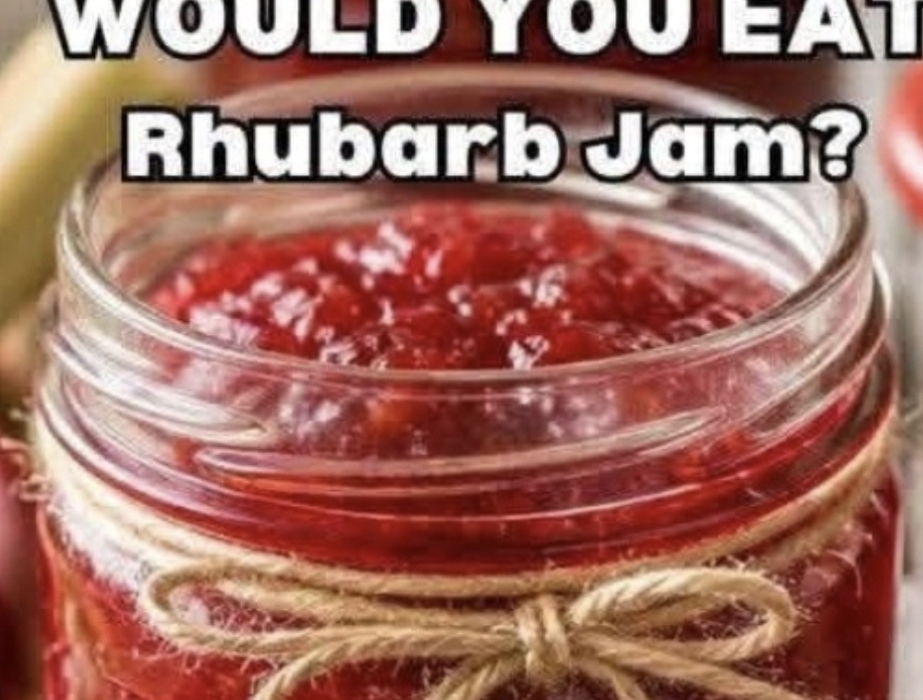
Rhubarb Jam: A Bright, Tangy Homemade Treasure
Rhubarb jam is one of those old-fashioned preserves that feels both rustic and elegant at the same time. It transforms the sharp, almost lemon-like stalks of rhubarb into a glossy, ruby-colored spread that balances sweet and sour perfectly.
Unlike typical fruit jams, rhubarb doesn’t try to be “just sweet.” It keeps a little attitude — tangy, bright, and refreshing — which is exactly why so many people fall in love with it.
📜 History of Rhubarb Jam
The story of rhubarb begins long before it became food.
originally grew in Asia and was used mainly in traditional medicine. It was prized for its roots rather than its stalks.
By the 1600s–1700s, rhubarb reached Europe through trade routes. Once sugar became more affordable, cooks started experimenting — and discovered something magical:
when rhubarb is slowly cooked with sugar, it loses its harsh sharpness and turns into a fragrant, jewel-colored preserve.
Jam-making itself became essential in European households before refrigeration existed. Families preserved seasonal produce in sugar to enjoy during winter months. Rhubarb, being one of the earliest spring harvests, quickly became known as “the first jam of the season.”
🧾 Ingredients (Classic Rhubarb Jam)
1 kg rhubarb stalks (cleaned & chopped)
750 g granulated sugar (adjust depending on tartness)
Juice of 1 large lemon
Zest of 1 lemon (optional but recommended)
100 ml water (only if needed at the start)
Optional additions:
1 vanilla pod OR 1 tsp vanilla extract
200–300 g strawberries (for strawberry-rhubarb version)
A small pinch of cinnamon for warmth
👩🍳 Step-by-Step Instructions
- Preparation Method 🌱
Wash rhubarb thoroughly and trim both ends.
Remove any leaves completely (they are toxic and not edible).
Cut into small, even pieces (about 1–2 cm). This ensures even cooking and smooth texture later.
- Maceration Method 🍬
Place chopped rhubarb in a large bowl.
Add:
sugar
lemon juice
lemon zest
Mix well and let it sit for 2 to 6 hours (or overnight in the fridge).
👉 This step draws out natural juice and creates a syrup before cooking even begins.
- Cooking Method 🔥
Transfer everything into a heavy-bottom pot.
Heat gently at first so the sugar fully dissolves.
Once liquid forms:
increase to medium heat
bring to a soft boil
stir regularly to prevent sticking
Cook for 25–45 minutes, depending on how thick you want it.
As it cooks:
rhubarb breaks down
mixture becomes glossy
color deepens into pink-red jam
- Texture & Setting Test 🧪
To check if your jam is ready:
Place a small spoonful on a cold plate
Wait 30 seconds
Push it gently with your finger:
If it wrinkles → ready ✔
If it runs → cook a little longer
- Jarring Method 🫙
Sterilize glass jars in boiling water.
Pour hot jam carefully into jars while still hot.
Seal immediately.
Optional:
turn jars upside down for 5–10 minutes to help vacuum seal
then let cool completely
🧬 Formation Science (Why It Becomes Jam)
Rhubarb jam forms through a natural chemical balance:
Pectin release → rhubarb fibers break down and thicken mixture
Sugar concentration → binds water and preserves fruit
Acidity from lemon → activates gel structure and enhances brightness
This trio is what creates that perfect spoonable jam texture — no artificial thickeners needed.
🍽️ Serving Ideas (How to Enjoy It)
Rhubarb jam is extremely versatile:
Spread on warm buttered toast or brioche
Swirled into Greek yogurt or oatmeal
Used as filling for sponge cakes or pastries
Paired with soft cheeses like brie or cream cheese
Drizzled over pancakes or waffles
Its tangy flavor cuts through rich foods beautifully, making every bite feel balanced.
❤️ Who Loves Rhubarb Jam?
People who love rhubarb jam usually enjoy:
bold, slightly sour flavors
homemade rustic recipes
less sugary preserves
nostalgic, seasonal cooking
unique fruit combinations
It’s not a “safe” jam — it’s a personality jam. Bright, sharp, and unforgettable.
🌸 Conclusion
Rhubarb jam is proof that simple ingredients can create something extraordinary. With just rhubarb, sugar, and lemon, you get a preserve that tastes like spring in a jar — fresh, vibrant, and slightly wild.
It’s the kind of recipe that connects old traditions with modern kitchens, reminding us that preservation was once both necessity and art.