
Engaging Introduction:
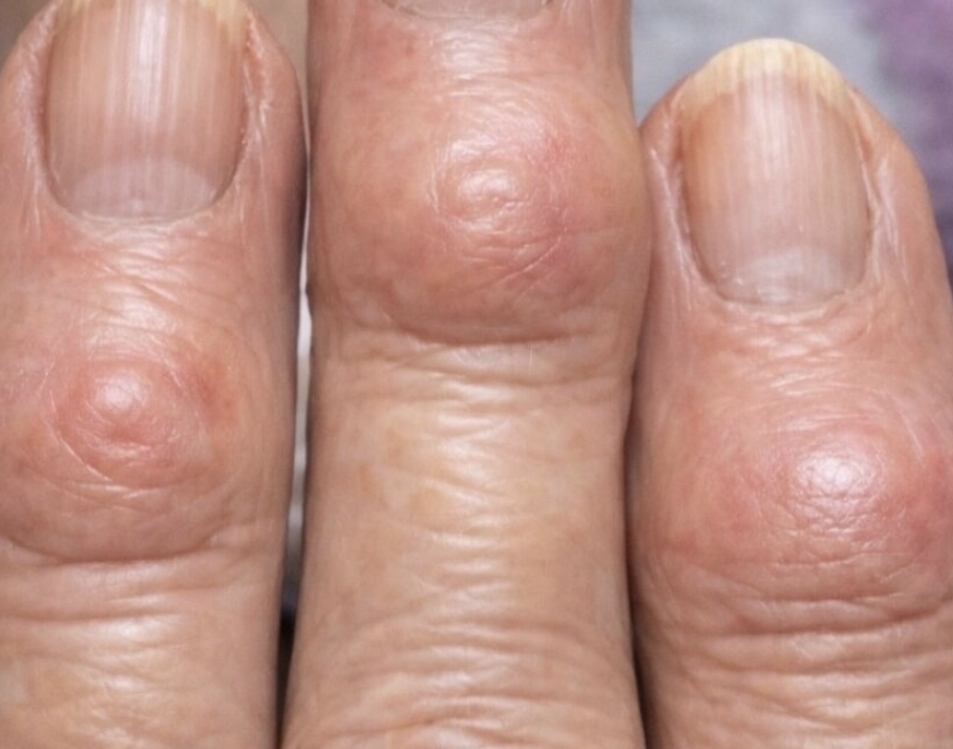
You notice it one day while holding her hand—small, firm bumps forming on your grandmother’s fingers. It’s subtle at first, then suddenly hard to ignore. Moments like these can feel unsettling, especially when you care deeply about her health and comfort.
The good news? These changes are often a normal part of aging and can be managed with simple, healthy lifestyle adjustments. Understanding what’s happening can ease your worries and help you support her with confidence. Whether you’re focused on healthy aging, pain management, or improving daily comfort, this guide breaks it all down in a simple, practical way.
Why You’ll Love This Guide: Easy-to-understand explanation of common finger joint changes Helps you support healthy aging and joint care Practical tips for comfort, mobility, and daily activities Focus on prevention, wellness, and long-term health Perfect for caregivers and families looking for simple solutions
Ingredients:
(No ingredients required for this informational guide.)
Instructions / Method:
(No cooking instructions required.)
What’s Causing These Finger Bumps?
One of the most common reasons for hard bumps near the fingertips is osteoarthritis. This condition develops over time as the protective cartilage between joints wears down.
As the cartilage thins, the body may form small bony growths around the joint. These are called Heberden’s nodes, and they usually appear on the joints closest to the fingernails.
What These Bumps Feel and Look Like:
These nodules often:
Feel hard and immovable
Appear slightly swollen or raised
May be tender at first, then become painless over time
Can cause fingers to look enlarged or knobby
In early stages, there may be stiffness, mild pain, or warmth. As time goes on, discomfort often decreases.
Why Do They Form?
Several factors contribute to these changes:
Aging: Natural wear and tear on joints
Genetics: Often runs in families
Repetitive hand use: Years of daily activity
Hormonal changes: Especially after menopause
While they may look concerning, they are generally not dangerous.
Other Possible Causes:
Although osteoarthritis is the most common cause, other conditions include:
Rheumatoid arthritis: Softer swelling affecting multiple joints
Gout: Sudden, painful swelling from uric acid buildup
Cysts: Fluid-filled sacs that feel softer
A healthcare provider can help confirm the exact cause if needed.
Is This Recipe Healthy?
While this isn’t a food recipe, it’s still about healthy living and long-term wellness. Supporting joint health plays a key role in maintaining independence, mobility, and quality of life—especially for older adults.
Focusing on a healthy lifestyle, including balanced nutrition, gentle movement, and proper care, can help reduce discomfort and improve daily function. For those interested in weight loss, anti-inflammatory diets, or meal prep, these habits can also support joint health and reduce strain on the body.
Calories & Nutrition:
Although there are no direct calories involved, maintaining joint health benefits greatly from a balanced diet that includes:
Protein: Supports muscle strength around joints
Healthy fats: Help reduce inflammation
Carbohydrates: Provide energy for daily movement
A well-rounded diet can indirectly improve joint comfort and mobility.
Tips for Best Results:
To help your grandmother stay comfortable and active:
Use warm compresses to reduce stiffness
Encourage gentle hand exercises to maintain flexibility
Try ergonomic tools like jar openers or cushioned utensils
Avoid overstraining the hands during repetitive tasks
Consider doctor-approved pain relief if needed
Consistency is key—small daily habits make a big difference.
Variations & Substitutions:
While you can’t reverse these bumps, you can adapt daily routines:
Replace difficult tools with easy-grip alternatives
Modify activities to reduce joint strain
Incorporate low-impact exercises like stretching or light resistance work
Explore anti-inflammatory diets for overall joint support
FAQ Section:
Can I prevent these finger bumps?
You may not fully prevent them, but healthy habits like proper nutrition, exercise, and avoiding joint overuse can help slow progression.
Is this condition dangerous?
In most cases, no. It’s usually more about comfort and appearance than serious health risks.
Can these bumps go away?
They typically do not disappear, but symptoms often improve over time.
What is the best way to manage discomfort?
Warm compresses, gentle exercises, and ergonomic tools can help significantly.
When should I see a doctor?
If there is severe pain, rapid swelling, redness, or difficulty using the hands, medical advice is recommended.
You May Also Like:
Easy Anti-Inflammatory Diet Guide for Beginners
Best High Protein Meals for Healthy Aging
Quick Dinner Ideas for Joint-Friendly Nutrition
Healthy Meal Prep Tips for Seniors
Easy Home Exercises for Better Mobility
Natural Ways to Reduce Inflammation
Final Thoughts:
Seeing physical changes in someone you love can feel emotional—but in many cases, these finger joint bumps are simply part of a life well-lived. They reflect years of work, care, and experience.
With a little attention, smart habits, and supportive care, your grandmother can continue living comfortably and confidently every day.