
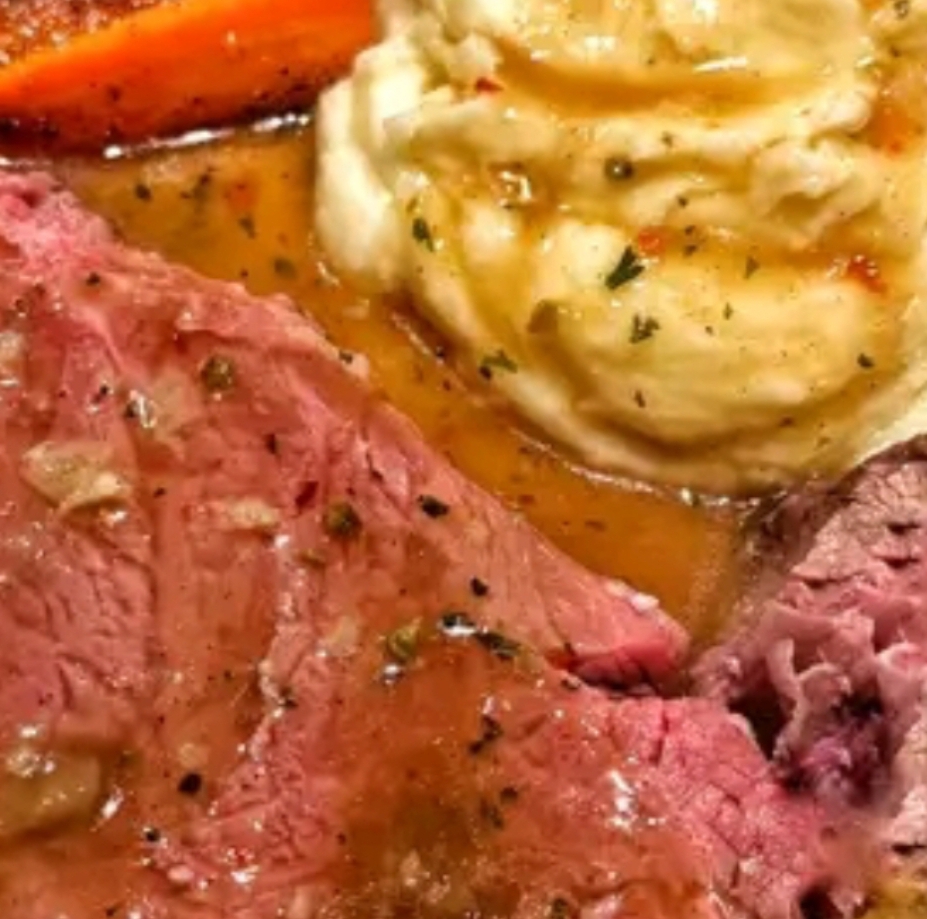
About This Recipe
This recipe outlines the fundamental techniques used by professional steakhouses to cook high-quality beef cuts. The method focuses on proper preparation, searing, and resting to achieve a flavorful crust and a tender, juicy interior using standard home kitchen equipment.
Why You’ll Love This Recipe
This approach simplifies professional cooking principles. It requires few ingredients, relies on technique over complex recipes, and delivers consistent, restaurant-quality results. The process is adaptable to various cuts of steak such as ribeye, strip, or filet mignon.
Ingredients
- 1 thick-cut beef steak (at least 1.5 inches thick), such as ribeye or New York strip
- Kosher salt
- Freshly ground black pepper
- 1-2 tablespoons high-smoke-point cooking oil (e.g., canola, grapeseed, or avocado oil)
- 2 tablespoons unsalted butter (optional)
- 2 sprigs fresh thyme or rosemary (optional)
- 2 garlic cloves, lightly crushed (optional)
Step by Step Instructions
- Prepare the Steak: Remove the steak from refrigeration at least 30-45 minutes before cooking. Pat it completely dry with paper towels.
- Season Generously: Just before cooking, season all sides of the steak heavily with kosher salt and freshly ground black pepper.
- Preheat the Pan: Place a heavy skillet (cast iron or stainless steel recommended) over medium-high to high heat. Add the oil and heat until it shimmers and just begins to smoke.
- Sear the Steak: Carefully place the steak in the hot pan. Sear without moving it for 2-4 minutes, until a deep brown crust forms. Flip and sear the other side for another 2-4 minutes.
- Add Aromatics (Optional): If using, reduce heat to medium, add butter, herbs, and garlic to the pan. Tilt the pan and spoon the melted butter continuously over the steak for 1-2 minutes for added flavor.
- Check Doneness: Use an instant-read thermometer to check internal temperature. For medium-rare, remove steak at 125-130°F (52-54°C).
- Rest the Steak: Transfer the steak to a wire rack or warm plate. Let it rest, undisturbed, for at least 5-10 minutes to allow juices to redistribute.
- Serve: Slice against the grain and serve immediately.
FAQ
What is the most important step? Ensuring the steak surface is very dry before searing and allowing the pan to get properly hot are critical for crust formation.
Can I use this method for thinner steaks?Yes, but reduce searing time significantly to avoid overcooking. A thinner steak may not require finishing with butter in the pan.
Do I need a thermometer? For consistent results, an instant-read thermometer is the most reliable tool to gauge doneness.
You Must Know
The quality of the final dish is primarily dependent on the quality of the meat and proper execution of the sear and rest. Starting with a well-marbled, thick-cut steak from a reputable source yields the best results. The resting period is not optional; it is essential for a juicy steak.
Storage Tips
Cooked steak should be allowed to cool completely, then stored in an airtight container in the refrigerator for up to 3-4 days. Reheat gently in a low oven or skillet to avoid toughening the meat. Uncooked steak should be stored in the coldest part of the refrigerator and used by the sell-by date, or frozen for longer storage.